Nuclear energy is growing fast, but fuel conversion capacity isn't keeping up. Learn why this overlooked step in the fuel cycle is the industry's biggest bottleneck.
Read More
Governments are revisiting long-term energy strategies, and utilities are reassessing grid reliability. Technology companies and large industrial operators are searching for stable, low-emissions power sources capable of supporting fast-growing demand.
What’s different this time around is that nuclear energy is no longer centred solely on large-scale reactors and distant megaprojects. Today, much of the momentum is being driven by growing interest in Small Modular Reactors (SMRs), energy security concerns, domestic supply chain resilience, and the realities of electrification across industries.
While challenges around regulation, cost, public trust, and deployment timelines remain very real, the direction of the industry is becoming increasingly difficult to ignore as countries work to build a dependable, diversified energy future.
For much of the early 2000s, the broader energy conversation in North America followed a relatively predictable trajectory. Natural gas expanded rapidly, and renewable technologies scaled quickly. Nuclear projects, meanwhile, were often viewed as politically difficult, expensive, and too slow-moving to compete.
Today, many of the assumptions that shaped that environment are changing.
Electricity demand is climbing again after years of relatively flat growth. Large-scale electrification, domestic manufacturing expansion, population growth, and the rapid rise of AI and data infrastructure are putting new pressure on grids across Canada, the United States, and the rest of the world. In many regions, utilities and governments are now confronting the reality: future energy systems will need to deliver not just low emissions, but dependable, large-scale power around the clock.
According to the International Energy Agency, electricity consumption is set to rise by a robust 3.3% in 2025 and 3.7% in 2026. While the latest forecasts for global electricity demand growth this year and next are a deceleration from the 4.4% surge recorded in 2024, they remain well above the 2015-2023 average.
Global electricity demand from data centres alone is expected to increase significantly over the next decade as AI adoption accelerates. At the same time, organizations like the U.S. Department of Energy and Natural Resources Canada have increasingly emphasized the importance of firm, reliable clean energy sources as countries work toward long-term decarbonization and energy security goals.
To clarify—nuclear energy is not being revisited because other technologies have failed, but because the scale and complexity of future energy demand is becoming harder to ignore. And increasingly, the conversation is no longer centred exclusively on traditional large-scale nuclear plants. Much of the momentum is now focused on how newer technologies—including Small Modular Reactors (SMRs)—could fit into a more flexible and diversified North American energy mix.
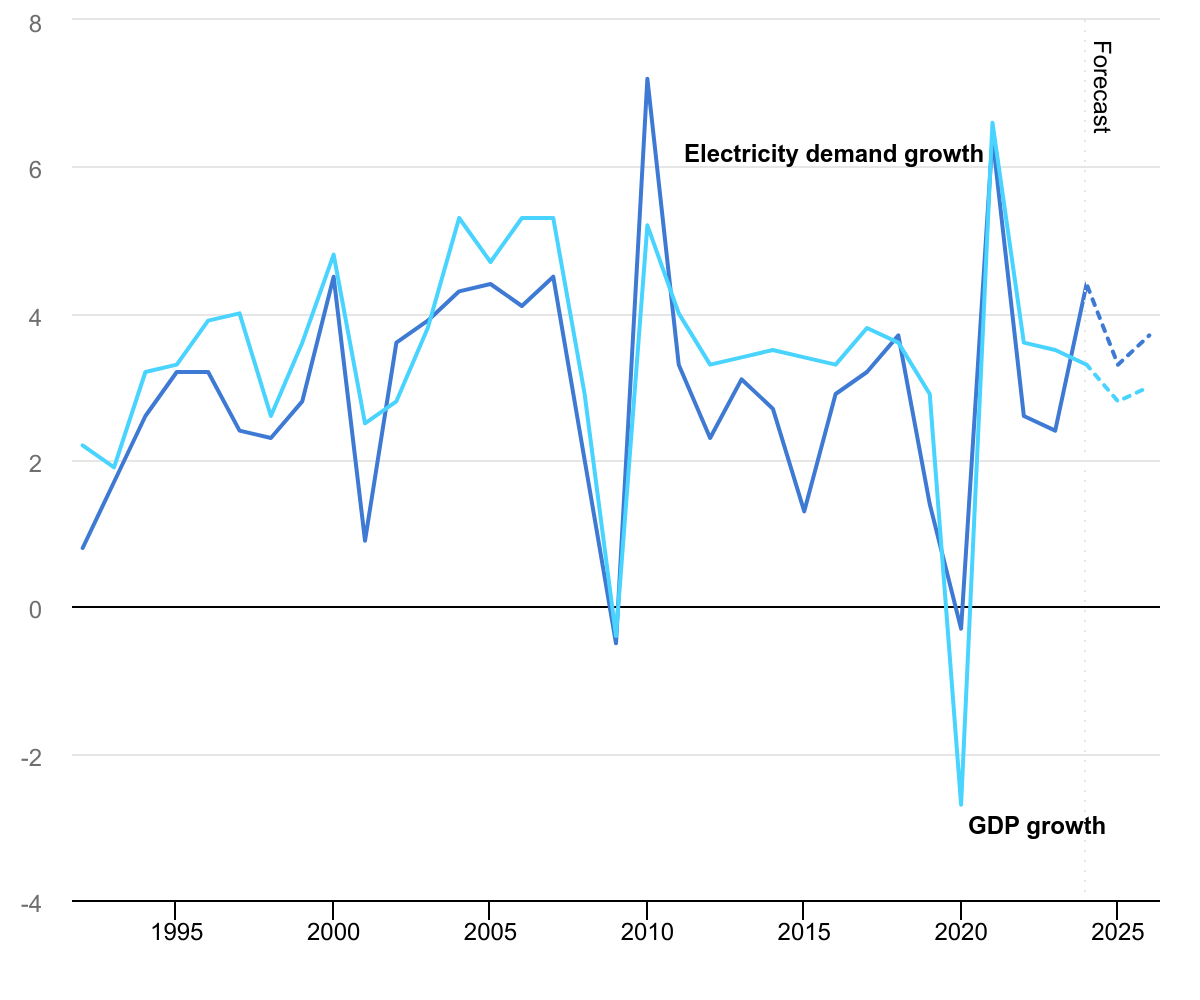
IEA (2025), Year-on-year percent change in global electricity demand, 1992-2026. Source: International Energy Agency.
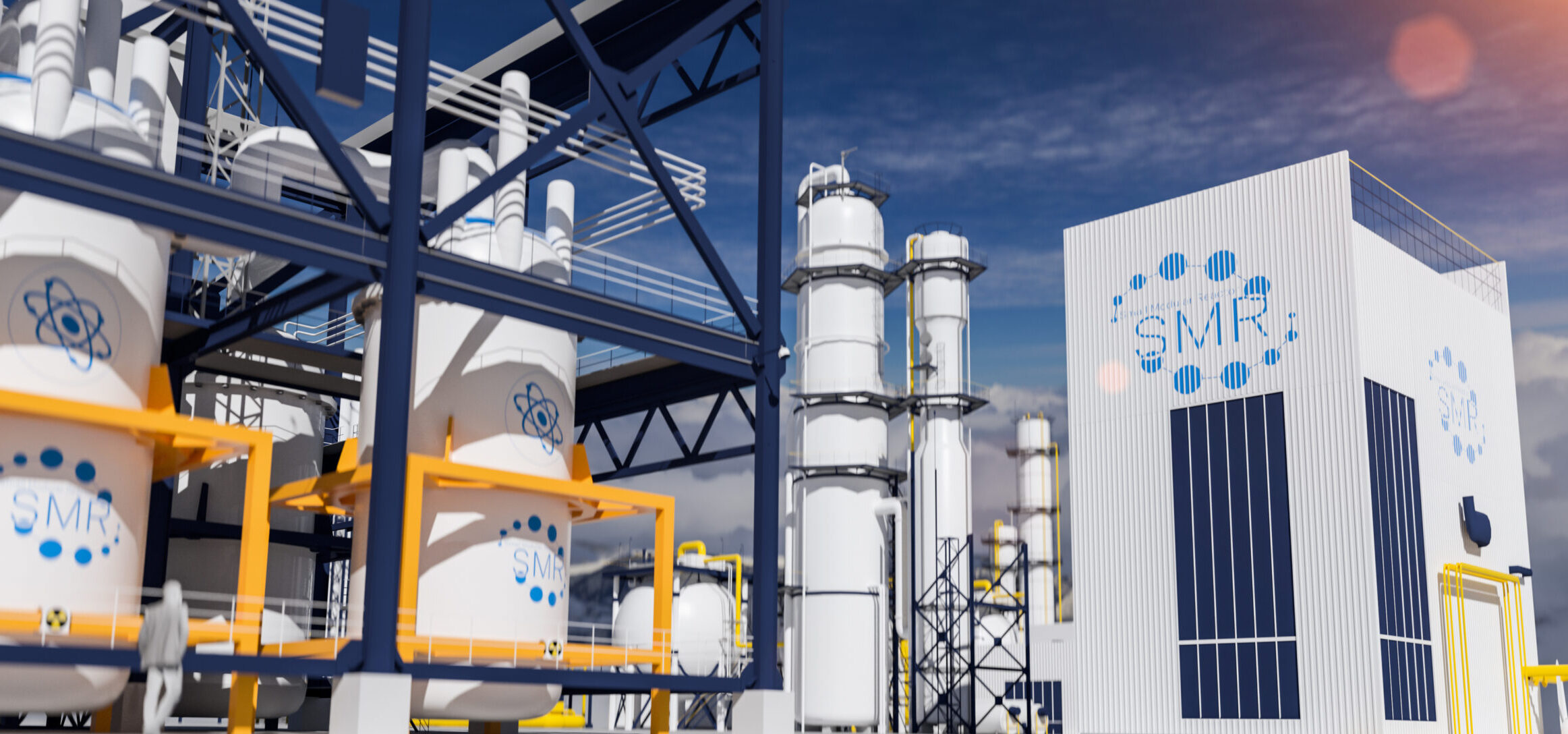
Small Modular Reactors, or SMRs, have been at the centre of nuclear conversations lately. Unlike traditional nuclear facilities that are designed as massive, centralized infrastructure projects, SMRs are intended to be smaller, more flexible, and easier to deploy in a wider range of environments. While designs and applications vary, many SMR concepts are being developed with goals like reduced construction complexity, scalable deployment, improved safety systems, and the ability to support regions or industries that may not require large-scale conventional reactors.
That flexibility is a major reason governments, utilities, and private industry are paying attention.
Across North America, SMRs are increasingly being explored as a potential fit for:
But SMRs are still in the early stages of broader commercialization. Questions around licensing, financing, supply chains, workforce development, and deployment timelines remain central to the industry’s future. Despite that, the conversation has slowly shifted from whether SMRs are worth exploring to how they will fit into the energy mix.
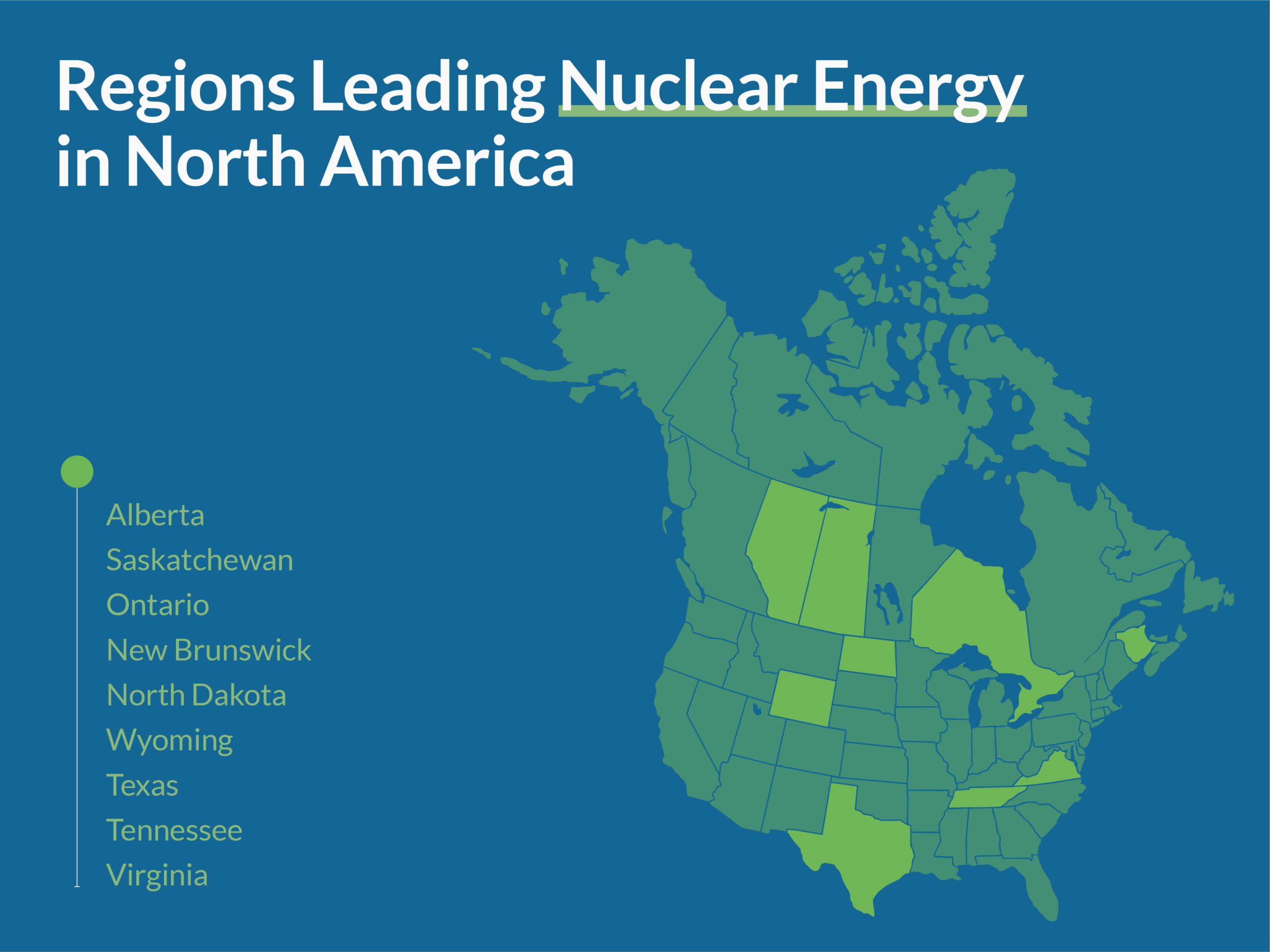
While nuclear momentum is growing across North America broadly, a handful of regions are emerging as particularly important centres of activity.
In Canada, much of the early SMR momentum has been concentrated in provinces with strong industrial economies, existing energy expertise, and increasing pressure to secure long-term reliable power. Ontario, for example, has positioned itself as one of the continent’s most active SMR development hubs, including plans around the Darlington New Nuclear Project.
Other provinces including Saskatchewan, Alberta, and New Brunswick have all participated in collaborative SMR development initiatives, reflecting growing national interest in the technology’s long-term potential. The Canadian government has also positioned SMRs as part of its broader clean energy and economic development strategy through initiatives like the Canadian SMR Roadmap and SMR Action Plan.
In the United States, momentum is also accelerating through federal investment, advanced reactor programs, utility partnerships, and growing private sector demand for reliable clean power—particularly as electricity-intensive industries continue expanding. Activity is accelerating across several states including Tennessee, Wyoming, Texas, North Dakota and Virginia, which have seen growing investment and policy support tied to advanced nuclear development, fuel supply chains, research initiatives, and next-generation reactor deployment.
Interest in nuclear energy is also expanding beyond traditional utility conversations. Large industrial operators, mining projects, remote communities, and energy-intensive sectors are beginning to evaluate where smaller-scale nuclear technologies could eventually support dependable power needs in regions where reliability, transmission limitations, or fuel logistics create ongoing challenges.
Technology companies and hyperscale data centre operators are also beginning to influence the conversation in new ways. As AI adoption accelerates, the demand for large-scale, reliable electricity is rising alongside it. For context: hyperscale AI centres can exceed 100 MW of electricity usage—equivalent to the annual electricity consumption of 100,000 households. Companies building massive data infrastructure are increasingly confronting the reality that future digital growth will require enormous amounts of stable power, which is a challenge that intermittent energy sources alone may struggle to fully address.
That dynamic is beginning to reshape how governments, utilities, and private industry think about long-term energy planning across North America.
Despite the renewed momentum around nuclear energy and SMRs, the industry is still facing several hurdles before large-scale deployment becomes reality across North America.
One of the biggest challenges is time.
Nuclear infrastructure operates on longer development timelines than many other energy technologies, particularly when projects involve complex licensing processes, environmental assessments, supply chain coordination, and major capital investment. While interest in advanced nuclear has accelerated quickly, building the supporting ecosystem around it will take sustained collaboration between governments, regulators, utilities, private industry, and local communities.
Public trust will also play a major role in shaping the pace of future development.
Across North America, conversations around nuclear energy are becoming more nuanced than they were even a decade ago. Many communities still have understandable questions around safety, waste management, environmental stewardship, and long-term accountability. As the industry evolves, transparency and community engagement will remain essential to building confidence around future projects.
Workforce readiness is another emerging challenge.
Expanding nuclear capacity will require engineers, skilled trades, operators, researchers, manufacturers, and fuel supply expertise at a scale that North America is still working to rebuild after decades of relatively slow nuclear growth.
Still, many of the conditions driving renewed interest in nuclear energy are unlikely to disappear:
For that reason, the conversation around nuclear energy is no longer centred only on whether the industry will evolve but how quickly North America can realistically build the systems, partnerships, and regulatory frameworks required to support it responsibly.
It’s clear that North America’s energy landscape needs to evolve, and the scale of what comes next will require more than a single technology or solution. Meeting future demand while balancing reliability, affordability, emissions reduction, and energy security will depend on long-term collaboration between governments, regulators, utilities, industry, researchers, and local communities.
As momentum around SMRs, fuel innovation, and advanced nuclear development continues to grow across Canada and the United States, the next chapter of nuclear energy in North America will ultimately be shaped by how effectively organizations work together to move the industry forward responsibly.
Related Reading:
Written by William Bridge, Chief Operating Officer at Nucleon Energy
Governments, investors, utilities, and developers have spent years evaluating reactor designs, debating technical approaches, and assessing which concepts are most likely to succeed commercially.
Those discussions remain important. Significant progress has been made, and many advanced reactor developers have moved far beyond the conceptual stage. Governments across Canada and the United States have increased support for next-generation nuclear technologies, regulators have expanded engagement with developers, and a growing number of projects are advancing through licensing, demonstration, and commercialization pathways.
A decade ago, much of the industry’s effort was focused on proving that advanced nuclear technologies were technically feasible. Today, the discussion is increasingly focused on bringing those technologies to market.
That transition may seem subtle, but I believe it represents one of the most important shifts taking place within the industry.
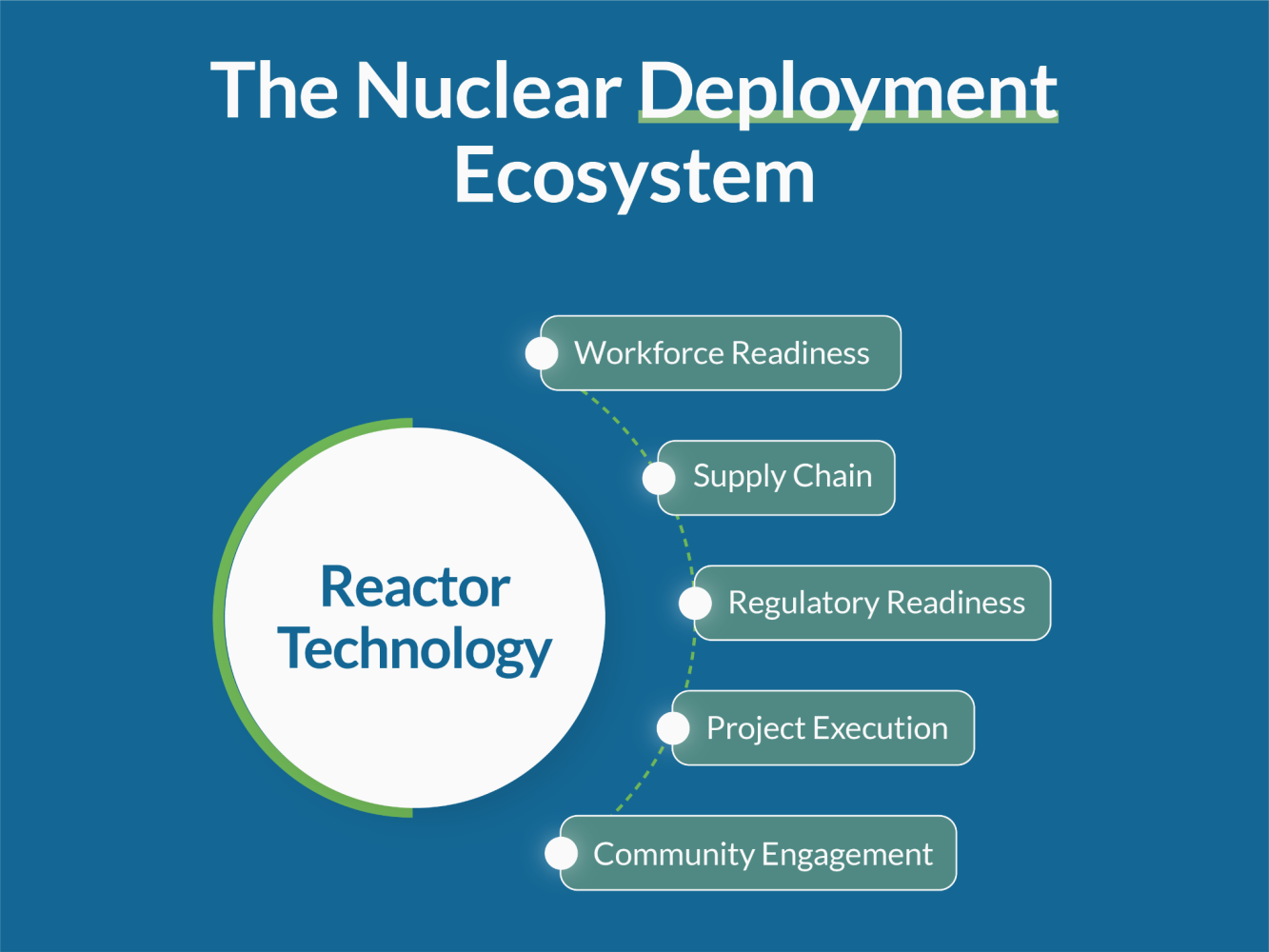
As projects move closer to reality, the conversation naturally expands beyond reactor technology itself. Questions about workforce development, supply chains, infrastructure, project execution, and community engagement become increasingly important. These are not new challenges, but they become more visible as technologies mature and projects move from aspiration to execution.
One observation that has become increasingly difficult to ignore is that innovation and deployment are not the same thing. The industry has made remarkable progress developing advanced reactor technologies, but commercial success depends on a much broader set of capabilities than reactor design alone.
Nuclear projects are complex, long-lived, and highly regulated. Bringing a project from concept to operation requires far more than selecting a technology.
It requires organizations capable of navigating regulatory processes. It requires skilled workforces capable of designing, constructing, operating, and maintaining facilities. It requires supply chains that can consistently deliver specialized equipment and services. It requires communities that understand the projects being proposed and are prepared to participate in meaningful engagement.
Most importantly, it requires organizations capable of bringing all of these elements together, which is why I believe the industry’s centre of gravity is beginning to shift.
The industry is not facing a shortage of ideas. It is not facing a shortage of reactor concepts.
Developing a reactor is one challenge. Building dozens of successful projects across multiple jurisdictions is another entirely.
Ontario’s Darlington SMR project provides a useful illustration. Public discussion often focuses on the reactor itself, but the project’s success depends equally on workforce readiness, supply-chain development, regulatory approvals, construction execution, and long-term operational planning. The reactor may be the centrepiece, but the surrounding ecosystem will ultimately determine how efficiently the project moves from planning to operation.
These capabilities cannot be created overnight. They are built through experience, institutional knowledge, workforce development, regulatory engagement, and sustained investment. The organizations, institutions, and jurisdictions that develop them early may ultimately have a disproportionate influence on the pace of future deployment.
We often talk about competition between technologies, yet there is a growing argument that the more important competition may occur elsewhere. Increasingly, jurisdictions are competing to develop the workforce, institutions, infrastructure, supply chains, and regulatory capacity needed to support future projects. Those capabilities may ultimately prove more durable than any individual technology advantage.
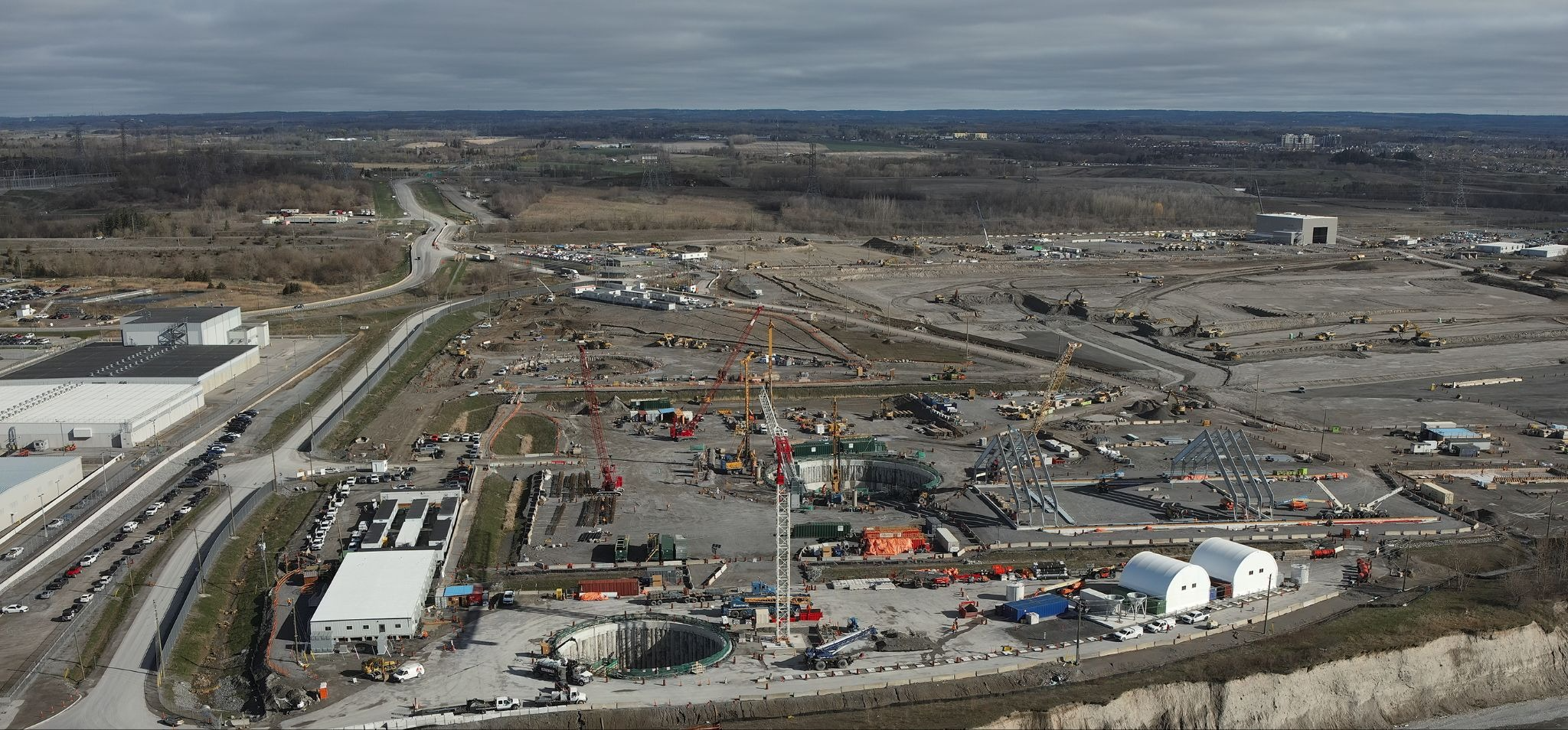 Darlington SMR Project. Source: OPG
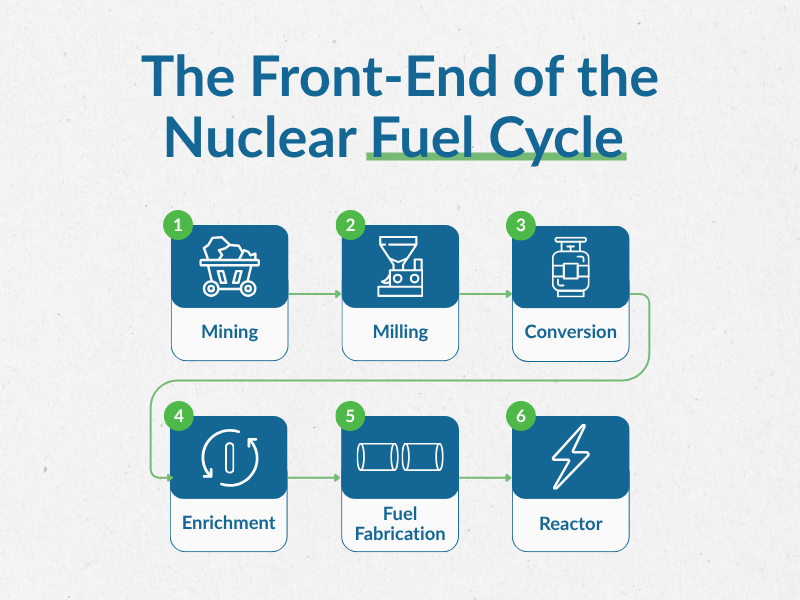
The nuclear fuel cycle provides a useful example of this broader challenge.
Public discussions about nuclear energy tend to focus on reactors because they are the most visible part of the industry. Less attention is paid to the infrastructure that supports them. Yet every reactor depends on a network of upstream and downstream capabilities that must function effectively if the broader system is to succeed.
Much of North America’s fuel infrastructure was developed during an earlier era of nuclear expansion. Many of the facilities that continue to support the industry today were designed and built decades ago and remain essential to the fuel cycle. Existing conversion, enrichment, and fuel fabrication capabilities continue to underpin today’s operating fleet.
At the same time, many of these assets were developed for an industry structure that looks quite different from the one envisioned by many advanced nuclear deployment strategies.
This observation should not be interpreted as criticism of existing facilities. Rather, it reflects the reality that future deployment ambitions may place different demands on the fuel cycle than those that existed when much of today’s infrastructure was originally developed.
As governments, utilities, and developers evaluate future growth, attention is increasingly turning toward resilience, capacity, and long-term evolution. The same pattern can be observed elsewhere in the industry. Workforce development, manufacturing capacity, project delivery capability, and regulatory readiness are all receiving renewed attention for similar reasons.
In each case, the underlying issue is the same. The technology may enable deployment, but the surrounding ecosystem determines how quickly it can occur.
Technology will remain important. Innovation will remain important. Neither exists in isolation.
One of the things that has surprised me over the last several years is how often discussions about advanced nuclear return to reactor technology. The technologies are important, but the further projects move toward reality, the more attention shifts to the practical challenges surrounding them. Workforce, supply chains, licensing, community engagement and acceptance, project execution, and supporting infrastructure are rarely the most exciting parts of the conversation, but they increasingly appear to be the factors that determine how quickly projects move forward.
That is why I believe the next phase of growth in the nuclear industry will be shaped as much by the strength of its supporting ecosystem as by the technologies themselves. Innovation remains essential, but the industry’s long-term impact will ultimately depend on its ability to turn promising technologies into operating facilities.
The technologies are advancing rapidly. The question facing the industry is whether our ability to deploy them can keep pace.
If you’d like to stay informed on how the nuclear energy ecosystem is evolving across North America, follow Nucleon Energy on LinkedIn.
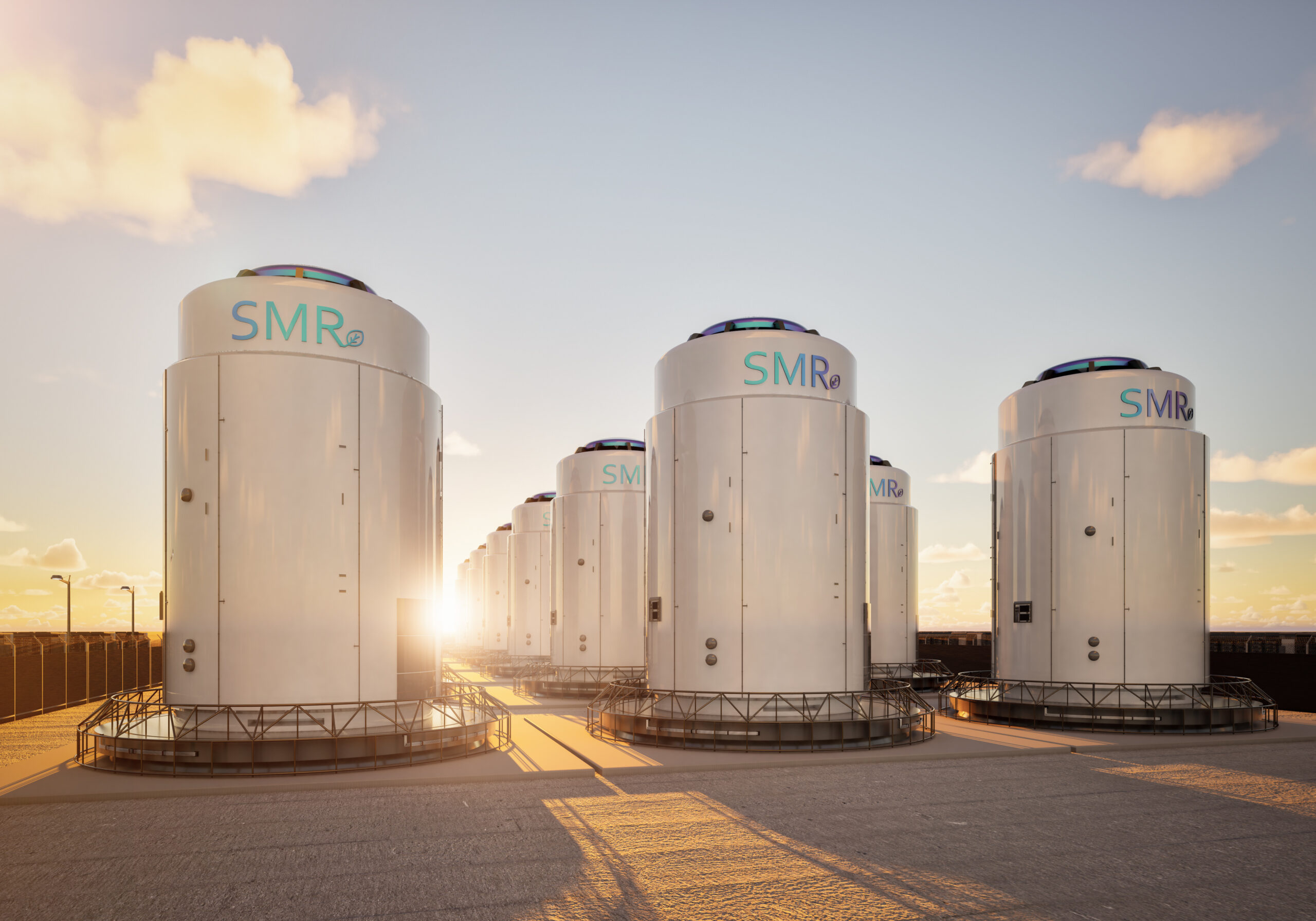
That’s because nuclear energy has a history that has given people legitimate reasons to ask hard questions, and those questions deserve honest answers.
But the conversation about nuclear safety has changed significantly in recent decades, and in ways that don’t always make it into headlines. The technology has evolved, the regulatory frameworks have deepened, and a newer class of reactor—the Small Modular Reactor (SMR)—has been designed from the ground up with a different philosophy toward risk than the nuclear plants that came before it.
This article aims to give you a clear, honest picture of how risk is addressed in modern nuclear SMR design and regulation—from the physics built into the reactor itself, to the independent oversight that continues across its entire operating life.
Understanding how safety works is the foundation for meaningful conversation about whether a project like this belongs in your community.
To understand where nuclear safety stands today, it helps to understand where it came from.
The first commercial nuclear power plants were built in the 1950s and 60s, during an era when the priority was proving that nuclear energy could work at scale. These were pioneering facilities, and like most pioneering technology, they were built with the knowledge and tools available at the time. Safety systems existed, but they were largely active systems—meaning they depended on mechanical components, electrical systems, and human intervention to function correctly under pressure.
Three events, across three decades, tested those systems in ways their designers hadn’t fully anticipated.
In 1979, a combination of equipment failure and operator error at Three Mile Island in Pennsylvania led to a partial meltdown—the most serious nuclear accident in US history. No direct deaths were attributed to radiation, but the event exposed real gaps in reactor design, emergency preparedness, and regulatory oversight, and fundamentally changed public trust in nuclear energy.
Seven years later, in 1986, the Chernobyl disaster in Soviet Ukraine became the defining nuclear event of the 20th century. A flawed reactor design, combined with a fatally mismanaged safety test, caused an explosion and fire that released radioactive material across much of Europe. The human and environmental toll was severe and long-lasting. Chernobyl didn’t just raise questions about nuclear safety. It demanded a reckoning with how reactors were designed, operated, and governed.
Then in 2011, the Fukushima Daiichi accident in Japan showed that even a well-regulated, modern facility could be overwhelmed by circumstances outside its design assumptions. A magnitude 9.0 earthquake, followed by a tsunami that exceeded the plant’s protective barriers, knocked out the cooling systems that the reactor depended on to stay stable. Three reactors melted down. No direct radiation fatalities occurred, but the evacuation of over 150,000 residents caused significant and lasting harm.
Each of these events was different in cause, context, and consequence. But together, they drove a fundamental shift in how the global nuclear industry approached the question of safety—not as something to be managed after the fact, but as something to be engineered out of the system from the start.
That shift is the foundation of how modern SMRs are designed today.
The accidents described above share a common thread: in each case, the reactor’s safety depended on something external working correctly—a pump, a backup generator, a protective barrier, a human decision made under pressure. When those external factors failed, the consequences followed.
Modern SMR design starts from a different premise entirely. Rather than building a reactor and then layering safety systems on top of it, SMRs are engineered so that safe behaviour is built into the physics of the reactor itself. This approach is known as passive safety, and it represents one of the most significant shifts in nuclear design thinking in the technology’s history.
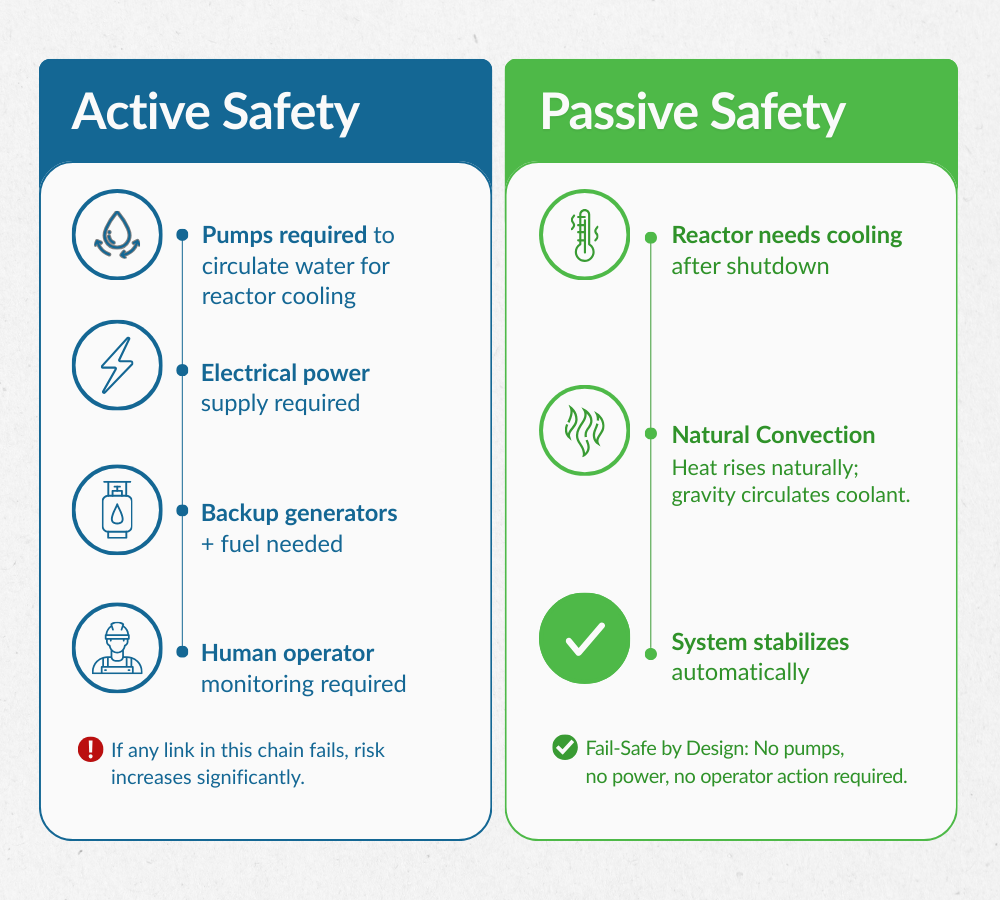
In a traditional large reactor, keeping the nuclear fuel cool after the reactor shuts down requires active systems—pumps circulating coolant, power supplies keeping those pumps running, and operators monitoring and responding in real time. If any part of that chain breaks down, the risk of overheating increases.
Passive safety systems eliminate that dependency. Instead of relying on pumps and power, they use fundamental forces—gravity, natural convection, and the basic physical properties of the materials inside the reactor—to keep the fuel stable without any external input. Think of it less like a machine that needs to be actively controlled, and more like a system that naturally returns to a safe state when left alone.
In practical terms, this means that if an SMR loses power, loses its operators, or experiences an unexpected event, the reactor is designed to cool itself down without intervention.
The modular, compact nature of SMRs also changes the risk profile in a more straightforward way: there is simply less fuel in the core at any given time compared to a large conventional reactor. This means that even in a worst-case scenario, the potential scale of any release of heat or material is significantly smaller, and more manageable, than what older large-scale facilities would have presented. This is a deliberate design choice that directly reduces the upper boundary of what could go wrong.
It’s also worth noting that SMRs aren’t designed in isolation. They are the product of decades of accumulated operating experience, incident analysis, and evolving international safety standards. The lessons of Three Mile Island, Chernobyl, and Fukushima are embedded in the engineering requirements, design reviews, and regulatory standards that every modern SMR must meet before it is approved to operate.
In this sense, the history outlined in the previous section isn’t separate from modern SMR design. It is part of what shaped it.
Good design is only part of the safety equation. The other part is independent oversight that ensures what is built, and how it operates, is verified by someone other than the people who built it.
In both Canada and the United States, nuclear facilities are among the most heavily regulated infrastructure in existence. The frameworks governing them have been built and refined over decades, and they require developers to meet rigorous technical, environmental, and safety standards before a single component goes in the ground, and continuously throughout the life of the facility.
In Canada, nuclear regulation falls under the Canadian Nuclear Safety Commission, or CNSC. The CNSC is an independent federal agency—meaning it operates at arm’s length from both government and industry—whose mandate is to regulate the use of nuclear energy and materials to protect the health, safety, and security of Canadians and the environment.
For an SMR developer, earning the right to build and operate a facility is not a single approval. It is a staged process that unfolds over many years and includes multiple independent technical reviews. The CNSC’s licensing process moves through distinct phases, including site preparation, construction, operation, and eventually decommissioning, with separate regulatory review and approval required at each stage. A project cannot advance from one phase to the next without satisfying the requirements of the one before it.
The CNSC also offers a pre-licensing Vendor Design Review process, which allows reactor designers to have their technology assessed against Canadian regulatory requirements before a specific project is proposed. This step, while voluntary, is an important signal of regulatory readiness—and several SMR developers, including those working with technology relevant to the Canadian market, have already engaged in this process.
In the United States, that independent oversight role belongs to the Nuclear Regulatory Commission, or NRC. Like the CNSC, the NRC operates independently of the federal government’s energy policy interests, with a specific mandate focused on safety and environmental protection.
The NRC’s licensing process for new nuclear facilities is similarly staged and rigorous. Developers must demonstrate, through extensive documentation and independent technical review, that their design is safe, that the proposed site is suitable, and that the applicant is qualified to build and operate the facility. Public participation is built into the process, including opportunities for community members and interveners to raise concerns and have them formally considered.
In recent years, the NRC has also developed updated regulatory frameworks specifically designed to accommodate advanced reactor designs, including SMRs. This reflects a recognition that the regulatory system itself must evolve alongside the technology it oversees while maintaining the same standard of independent scrutiny.
It’s worth being specific about what these processes demand in practice. Before an SMR can be licensed to operate, the developer must demonstrate:
These are not self-reported assurances. They are independently verified by technical staff at the CNSC or NRC, through a process that is documented, transparent, and open to public scrutiny.
Regulation doesn’t guarantee that nothing will ever go wrong. What it does is ensure that every reasonable step has been taken to understand and address risk before a facility ever comes online, and that an independent authority, not the developer, makes that determination.
Regulatory approval to build and operate a nuclear facility is not the finish line, but rather the beginning of an ongoing relationship between the developer, the regulator, and the community. Once an SMR is operating, the oversight framework that governed its design and construction continues in full force, with regular inspections, mandatory reporting, and independent monitoring throughout the facility’s operating life.
This includes continuous environmental monitoring around the site, routine safety performance reviews, and requirements to report any abnormal event—no matter how minor—to the regulator. Neither the CNSC nor the NRC waits for problems to surface. Both agencies conduct scheduled and unannounced inspections, and both maintain the authority to order operational changes or shutdowns if safety standards are not being met.
It’s also worth noting that while SMR development is still in its early stages across the globe, the technology is picking up speed. Russia’s Akademik Lomonosov, the world’s first floating nuclear power plant, began commercial operation in 2020, and China connected its pebble-bed modular reactor to the grid in 2021—both operating under active regulatory oversight.
Looking further ahead, the same regulatory discipline extends to the end of a facility’s life. Decommissioning—the process of safely shutting down and dismantling a facility after its operating years—is planned and funded from the outset. Regulators require developers to demonstrate, before a licence is ever granted, that a credible and financially secured decommissioning plan exists.
No energy source is without risk. Coal mines have accidents, gas pipelines fail, and wind turbines require workers at significant heights. The honest question isn’t whether nuclear energy carries risk, but how that risk compares, and how it is managed.
The data here is worth stating plainly. According to Our World in Data, nuclear energy results in 99.8% fewer deaths than coal and 97.6% fewer deaths than gas, even when the full toll of historic accidents like Chernobyl and Fukushima is factored in. Wind, solar, and nuclear are the safest energy sources by a significant margin, each responsible for fewer than 0.1 deaths per terawatt-hour of electricity produced, compared to roughly 25 deaths per terawatt-hour for coal. That data is sourced from peer-reviewed research and includes accidents, air pollution, and supply chain impacts.
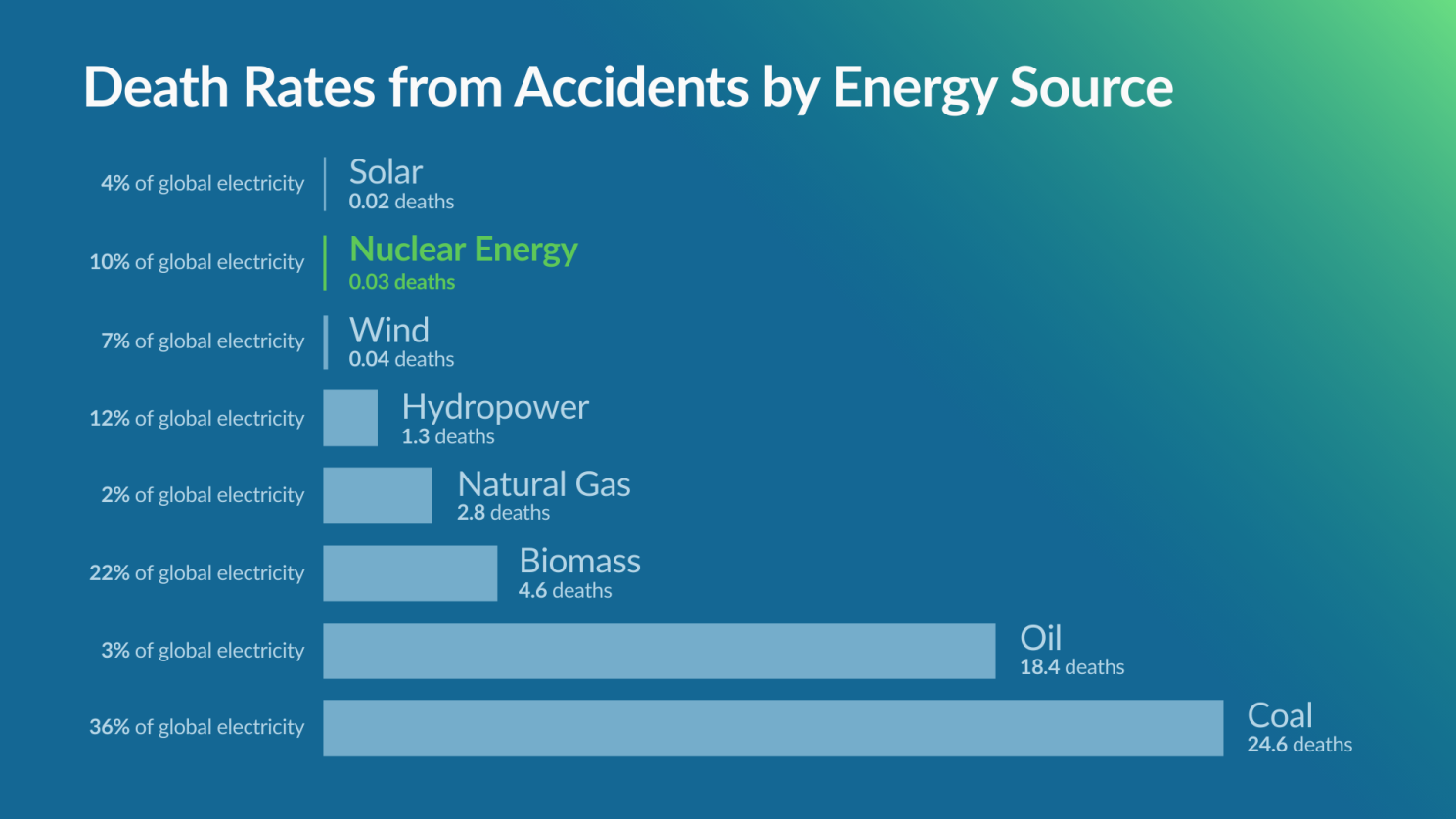
Data sourced from Our World In Data: https://ourworldindata.org/nuclear-energy
The information presented in this article doesn’t mean concerns about nuclear energy are unfounded, but that they deserve to be weighed against the full picture. The goal of SMR design and regulation isn’t to eliminate all conceivable risk, because no technology can honestly make that promise. It is to identify risk clearly, design around it rigorously, regulate it independently, and monitor it continuously across the full life of the facility.
If you’d like to learn more about SMRs and how they are shaping our energy future, follow Nucleon Energy on LinkedIn.
Written by William Bridge, Chief Technology Officer at Nucleon Energy
Then, something quietly but decisively changes. Scale arrives, learning compounds, and costs fall. Performance improves. The technology moves onto the steep part of the S-curve—and suddenly yesterday’s impossibility becomes today’s obvious choice.
Coal did this first. Early coal power was dirty, inefficient, and localized. Standardized boilers, rail logistics, and scale turned it into the backbone of industrial civilization. Natural gas followed. Early gas plants were niche and costly, but combined-cycle turbines and global LNG infrastructure made gas cheap, flexible, and wildly profitable. Wind and solar repeated the pattern more recently. Both were once dismissed as boutique solutions that would never compete with “real” baseload power.
The historical record is blunt about how wrong that skepticism was.
In the early 2000s, solar photovoltaic (PV) technology was widely regarded as expensive and still in the early stages of deployment, often relying on policy support and incentives to grow beyond niche markets. At that time, wholesale module prices hovered around $3.50–$4.00 per watt—far higher than typical fossil fuel generation costs and grid parity thresholds and installations were often supported by subsidies to make projects financially viable. Analysts and industry observers regularly noted that PV remained much more costly than conventional generation and that large-scale deployment depended on continued cost declines and supportive policy frameworks. Between 1981 and 2000, global solar capacity expanded relatively slowly and while growth was significant, it did not resemble the explosive scale-ups seen after 2010.
Once manufacturing scaled, global capacity multiplied rapidly and module prices collapsed—falling roughly 90% between 2010 and 2023 as cumulative production increased, supply chains matured, and learning effects kicked in. Today, utility-scale solar PV often produces some of the lowest-cost electricity in the world, a shift driven not by a change in physics, but by economics and industrialization following a classic S-curve.
Small Modular Reactors (SMRs) are now sitting at the same inflection point solar occupied in the early 2000s.
For decades, nuclear energy lived on the wrong side of the curve. Custom-built gigawatt plants, site-specific engineering, long construction timelines, and regulatory uncertainty created a cost structure that punished capital and rewarded delay. Traditional nuclear never benefited from repetition or true industrialization. Each plant was effectively a bespoke megaproject.
SMRs invert that model.
They are smaller, standardized, factory-manufactured, and designed for repeat deployment. That matters more than any single technical feature. Cost declines do not come primarily from clever physics. They come from doing the same thing over and over again, learning each time, and spreading fixed costs across volume. This is the same mechanism that transformed gas turbines, wind towers, and solar modules from novelties into infrastructure.
The early SMR projects are expensive for the same reason early solar was expensive: first-of-a-kind engineering, immature supply chains, conservative financing, and regulatory processes designed for a different era. None of those are permanent conditions. All of them improve with deployment.
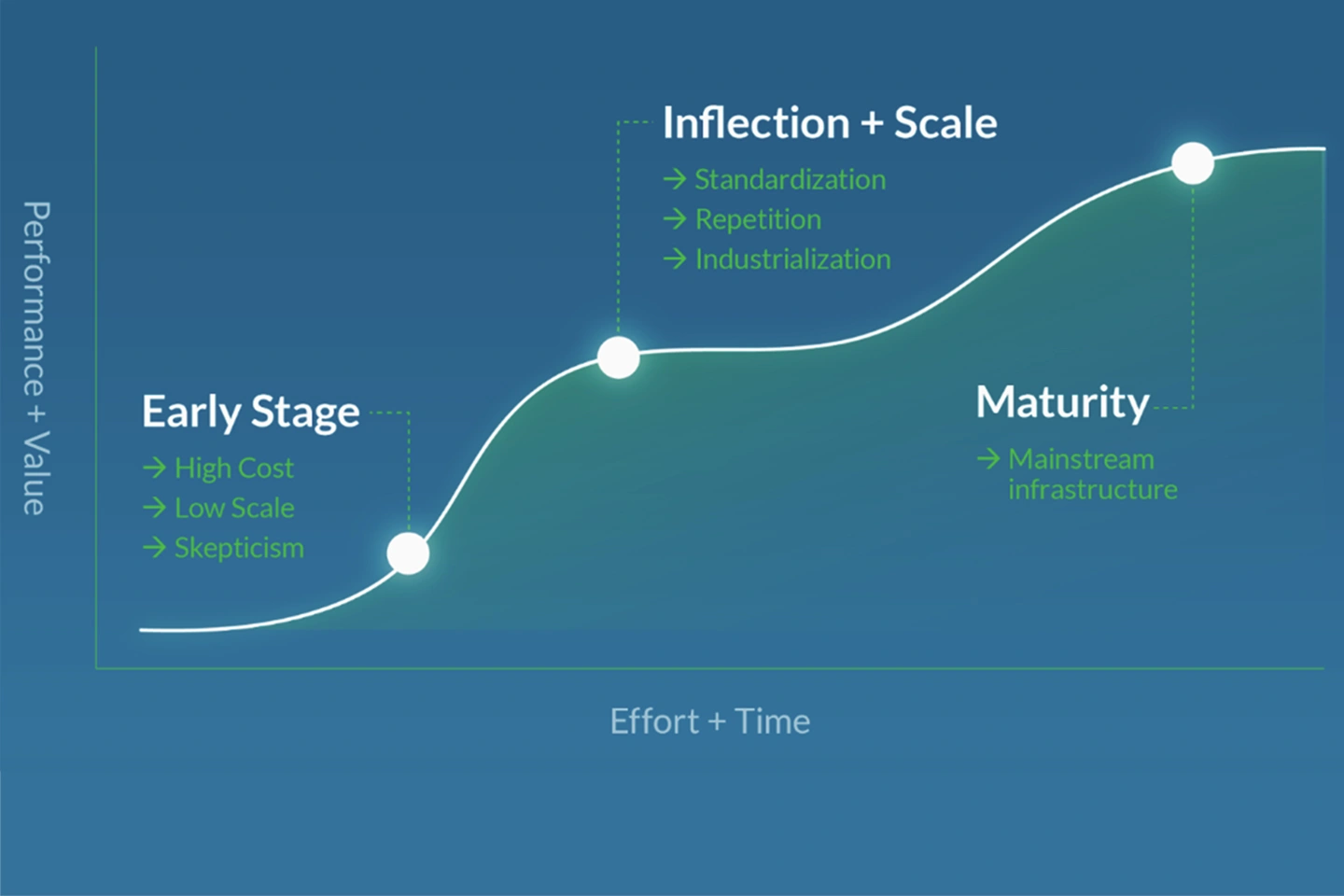
Once production shifts from construction sites to factories, once regulators license designs rather than one-off plants, and once operators can point to fleets instead of prototypes, the curve steepens. Then, capital costs fall, build times compress, risk premiums shrink, and returns improve.
This is why the question is no longer whether SMRs will become cost-effective, but when they cross the threshold that solar crossed a decade ago—when the debate quietly ends because the numbers speak for themselves.
History is unkind to people who declare that a technology “will never be economic.” Those statements age poorly because they mistake a moment on the curve for the destination. Energy transitions are not ideological arguments; they are industrial processes governed by scale, learning, and time.
SMRs are not exempt from that logic. They are finally aligned with it.
The S-curve comes for everyone. Nuclear included.
Written by Ryan Tourigny, Chief Development Officer at Nucleon Energy
For communities, exploring the siting of a Small Modular Reactor (SMR) is not just an infrastructure discussion. It raises practical questions about land and water, safety and stewardship, employment and economic opportunity, and what a decision today could mean decades, or even a century, into the future. These are reasonable questions, and they deserve clear, accurate information.
SMRs are often discussed in technical or policy terms. The purpose of this article is to provide a straightforward, community-level overview of what SMRs are, why communities may be asked to consider them, the unique benefits projects can offer, and the kinds of concerns and potential impacts that are commonly evaluated along the way.
Intended Audience: Community members who have heard about siting engagement in their community and have low-to-no understanding at this time of what an SMR is and how it will impact their community. They are doing initial research to learn more—perhaps prior to, or following, a community engagement session.
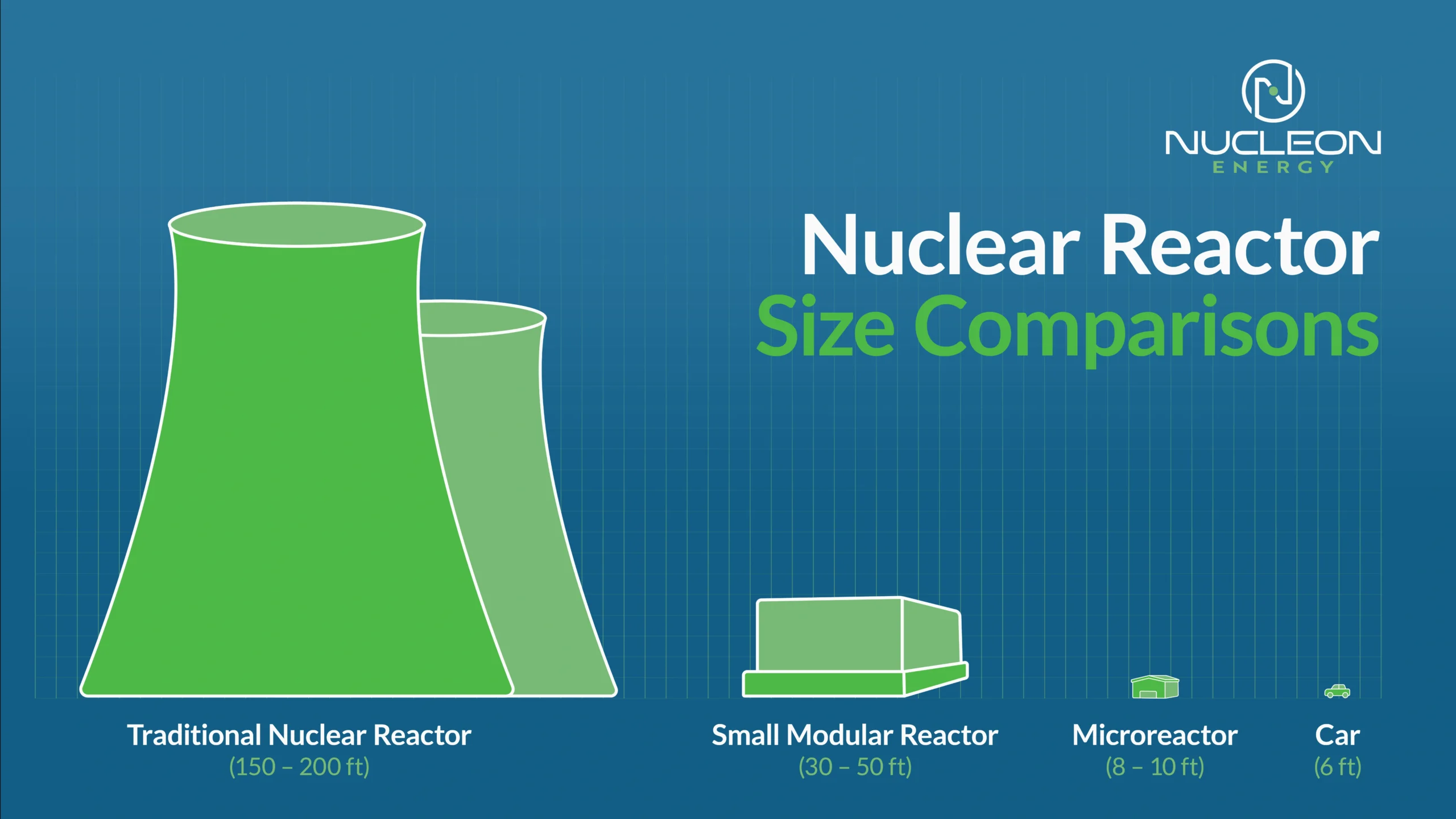
While conventional reactors are large, custom-built facilities designed to generate very high levels of power, SMRs are more compact and modular in design, meaning their components can be manufactured in a factory setting, with high quality and predictability, to be combined with other components on site.
This difference in scale and design leads to several practical distinctions. SMRs are intended to be easier to site, quicker to deploy, and more flexible in how they are used within an energy system. Modern designs also incorporate passive safety features, based on inherent features like gravity and natural circulation, rather than active systems with constant human intervention.
Importantly, SMRs are still subject to rigorous regulatory oversight and long-term planning, similar to other nuclear facilities, but are designed with a different approach to size, construction, and operation than traditional reactors. Given the repeatability of factory-made reactor designs, costs are expected to decrease each time a facility is deployed.
Reactor sizing comparison study, conducted by Nucleon Energy. Read full copy here.
At the same time, governments and utilities are working to reduce greenhouse gas emissions while maintaining affordability and system stability. Balancing these priorities has become a central challenge in long-term energy planning.
In response, a range of energy options are being evaluated for their ability to provide dependable, low-emissions power over decades. This includes nuclear energy.
For some regions, this broader planning exercise leads to early conversations with communities about potential SMR siting.These discussions typically focus on whether a project could be compatible with local land use, existing infrastructure, workforce capacity, and community priorities.
Being asked to explore SMR siting does not indicate that a decision has been made. Rather, it reflects an early-stage effort to understand whether a proposed approach aligns with the realities and values of the people who would live alongside it.
These conversations are shaped not only by technical considerations, but also by history, lived experience, and the understanding that energy infrastructure decisions can influence a community for generations.
Community concerns tend to fall into a few key areas, including:
Taken together, these questions reflect that communities are not simply evaluating a technology. They are considering how a long-term project could intersect with their land, governance structures and responsibilities to future generations.
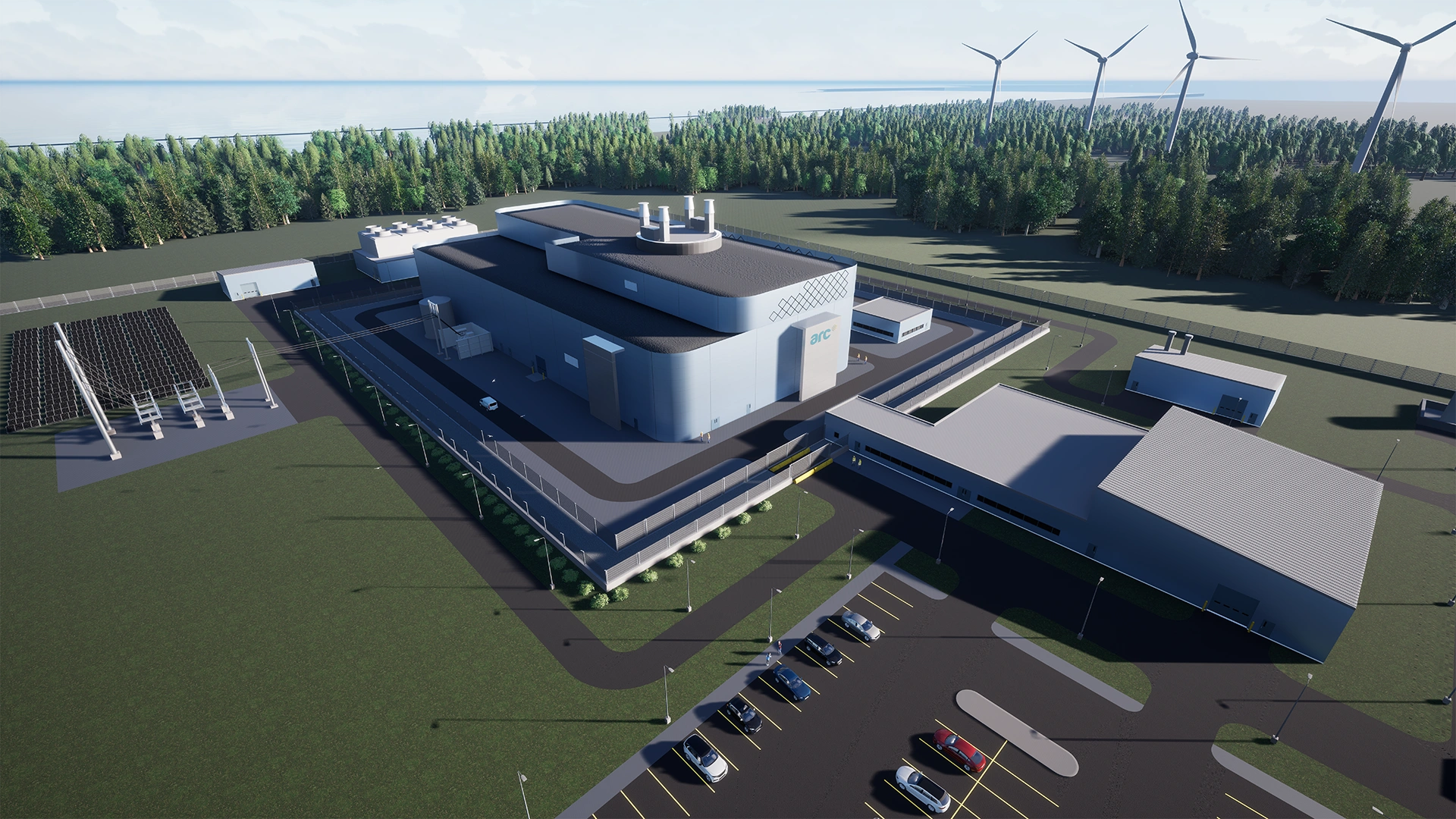
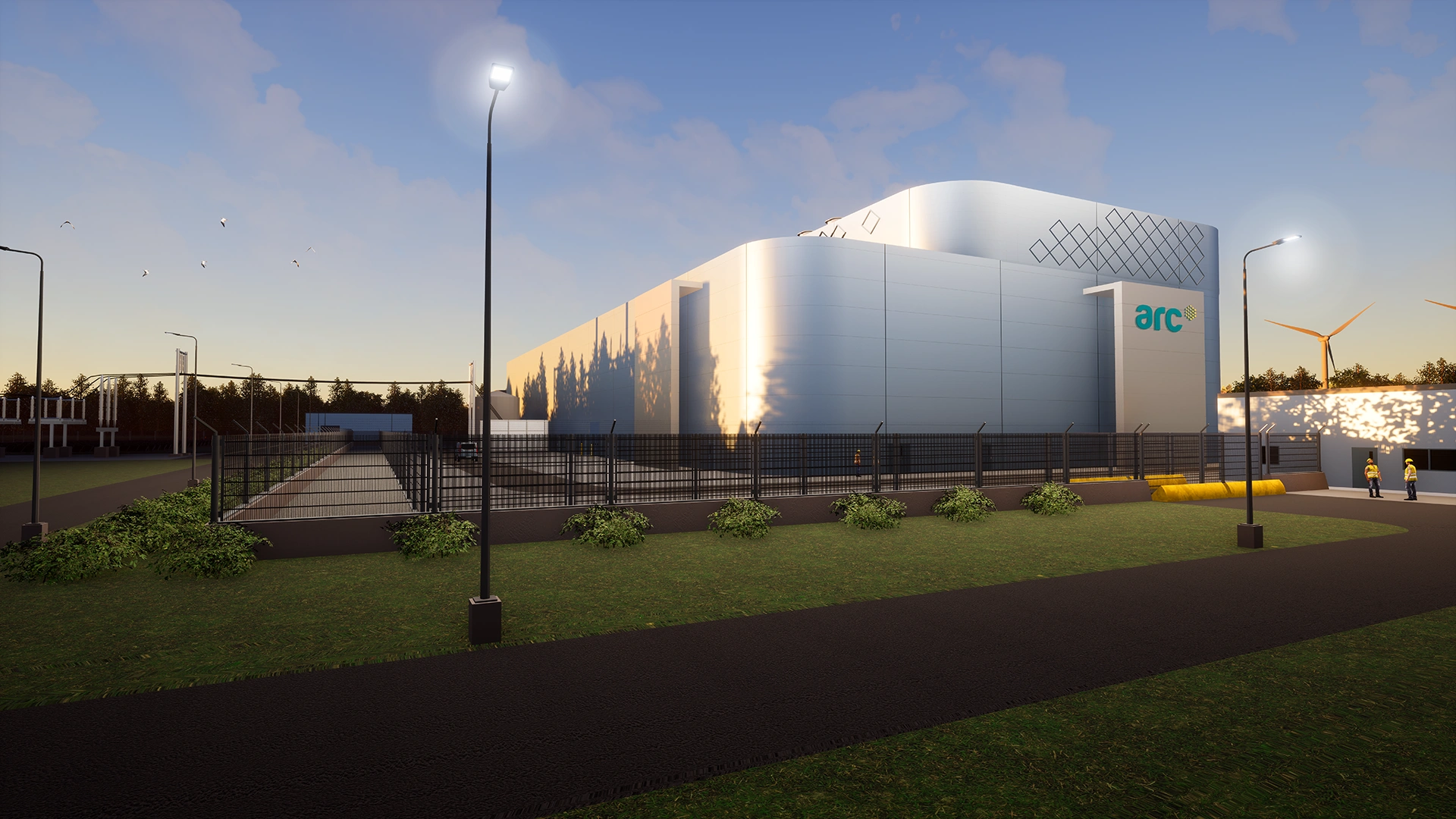
Rendering of the ARC100 Advanced Small Modular Reactor by ARC Clean Technology.
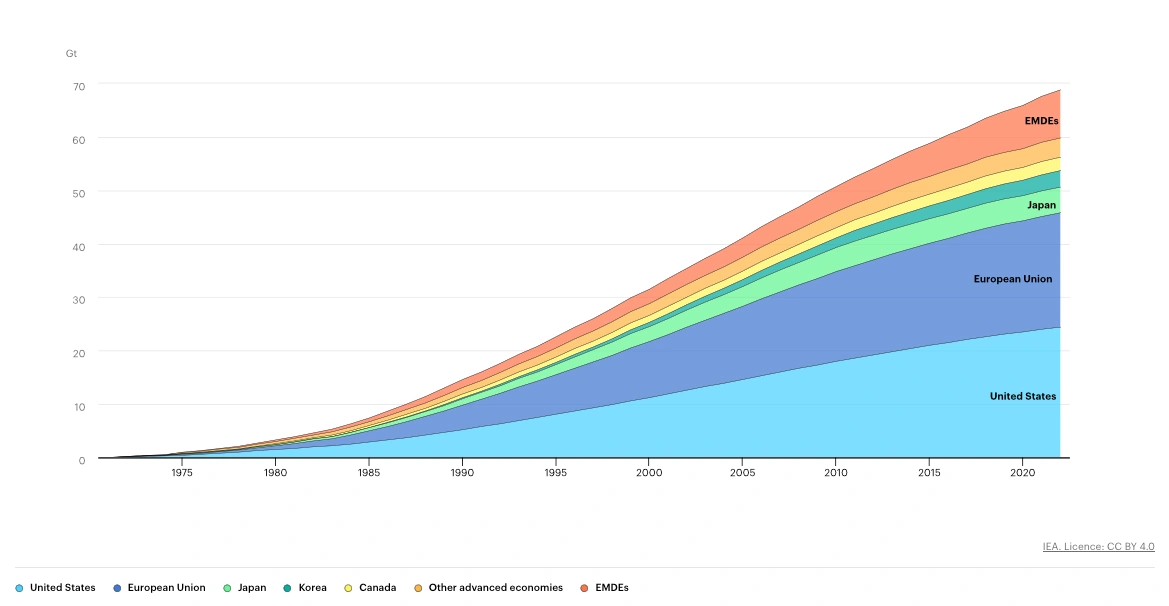
CO2 emissions avoided by nuclear by country or region, 1971-2022. Source: International Energy Agency.
Rendering of the ARC100 Advanced Small Modular Reactor by ARC Clean Technology
This early phase is focused on information-sharing and understanding local context, rather than seeking approval or commitment. Communities are generally asked to explore whether a project aligns with local priorities, land use considerations, and long-term goals before decisions advance further.
As discussions continue, engagement often becomes more structured. This may include community or individual stakeholders’ feedback on possible locations. Communities can expect a combination of informal conversations and formal processes, including environmental assessments and regulatory reviews. Participation usually extends over time, reflecting the long planning horizons associated with nuclear infrastructure. For Indigenous communities, engagement also intersects with established governance, rights, and stewardship responsibilities, and follows distinct processes and timelines.
When exploring the potential siting of an SMR, communities often find it helpful to identify the issues they want to understand early, before discussions advance or assumptions take hold.
While priorities will vary, communities commonly explore questions such as:
These questions are not intended to lead to a particular conclusion, but they can help your community clarify what matters most and ensure that discussions reflect local context, priorities, and long-term vision.
Ultimately communities need the tools and information to decide what is right for their members.
When an SMR is being explored, the most important first step is not agreement, but understanding – of the technology, the process, and how a project could intersect with local priorities and responsibilities.
Every community brings its own history, values, and vision for the future to these discussions. Clear information, time for dialogue, and space for questions allow communities to assess what a project could mean in their own context.
Nucleon Energy is a private nuclear developer enabling the real-world deployment of small modular reactors. We believe the communities closest to a project should have a voice in how it is shaped. Through early engagement and ongoing dialogue, we create space for community input to meaningfully inform decisions and outcomes. To stay informed on our active community engagements, visit Nucleon Energy.
© 2026 Nucleon Energy. All Rights Reserved. Privacy