
The Nuclear Conversation Is Shifting From Technology To Deployment
Written by William Bridge, Chief Operating Officer at Nucleon Energy
For much of the past decade, the conversation around advanced nuclear energy has been dominated by technology.
Governments, investors, utilities, and developers have spent years evaluating reactor designs, debating technical approaches, and assessing which concepts are most likely to succeed commercially.
Those discussions remain important. Significant progress has been made, and many advanced reactor developers have moved far beyond the conceptual stage. Governments across Canada and the United States have increased support for next-generation nuclear technologies, regulators have expanded engagement with developers, and a growing number of projects are advancing through licensing, demonstration, and commercialization pathways.
A decade ago, much of the industry’s effort was focused on proving that advanced nuclear technologies were technically feasible. Today, the discussion is increasingly focused on bringing those technologies to market.
That transition may seem subtle, but I believe it represents one of the most important shifts taking place within the industry.
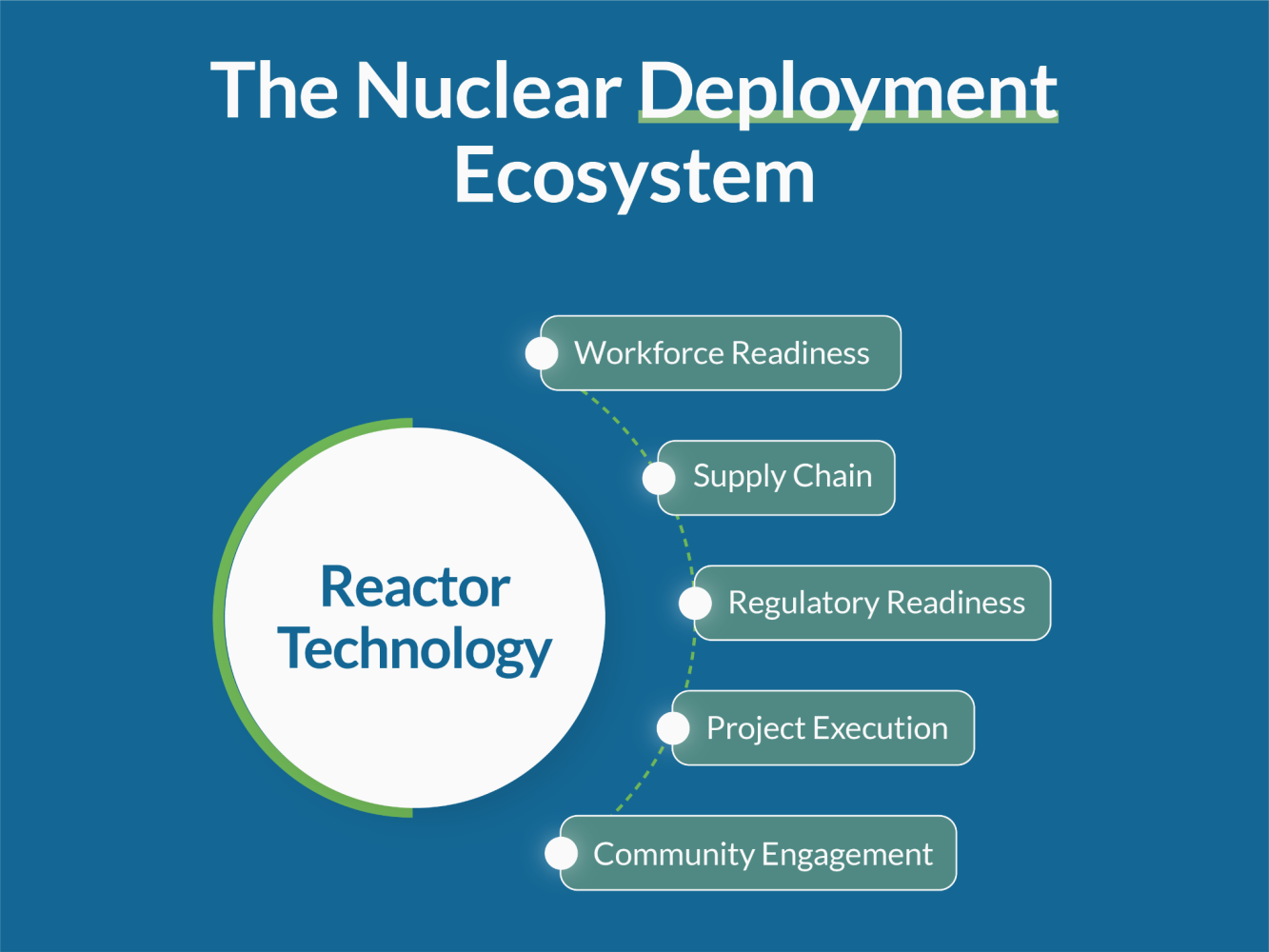
As projects move closer to reality, the conversation naturally expands beyond reactor technology itself. Questions about workforce development, supply chains, infrastructure, project execution, and community engagement become increasingly important. These are not new challenges, but they become more visible as technologies mature and projects move from aspiration to execution.
One observation that has become increasingly difficult to ignore is that innovation and deployment are not the same thing. The industry has made remarkable progress developing advanced reactor technologies, but commercial success depends on a much broader set of capabilities than reactor design alone.
Deployment Capability
Nuclear projects are complex, long-lived, and highly regulated. Bringing a project from concept to operation requires far more than selecting a technology.
It requires organizations capable of navigating regulatory processes. It requires skilled workforces capable of designing, constructing, operating, and maintaining facilities. It requires supply chains that can consistently deliver specialized equipment and services. It requires communities that understand the projects being proposed and are prepared to participate in meaningful engagement.
Most importantly, it requires organizations capable of bringing all of these elements together, which is why I believe the industry’s centre of gravity is beginning to shift.
The industry is not facing a shortage of ideas. It is not facing a shortage of reactor concepts.
The industry is facing a shortage of deployment capability.
Developing a reactor is one challenge. Building dozens of successful projects across multiple jurisdictions is another entirely.
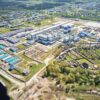
Ontario’s Darlington SMR project provides a useful illustration. Public discussion often focuses on the reactor itself, but the project’s success depends equally on workforce readiness, supply-chain development, regulatory approvals, construction execution, and long-term operational planning. The reactor may be the centrepiece, but the surrounding ecosystem will ultimately determine how efficiently the project moves from planning to operation.
These capabilities cannot be created overnight. They are built through experience, institutional knowledge, workforce development, regulatory engagement, and sustained investment. The organizations, institutions, and jurisdictions that develop them early may ultimately have a disproportionate influence on the pace of future deployment.
We often talk about competition between technologies, yet there is a growing argument that the more important competition may occur elsewhere. Increasingly, jurisdictions are competing to develop the workforce, institutions, infrastructure, supply chains, and regulatory capacity needed to support future projects. Those capabilities may ultimately prove more durable than any individual technology advantage.
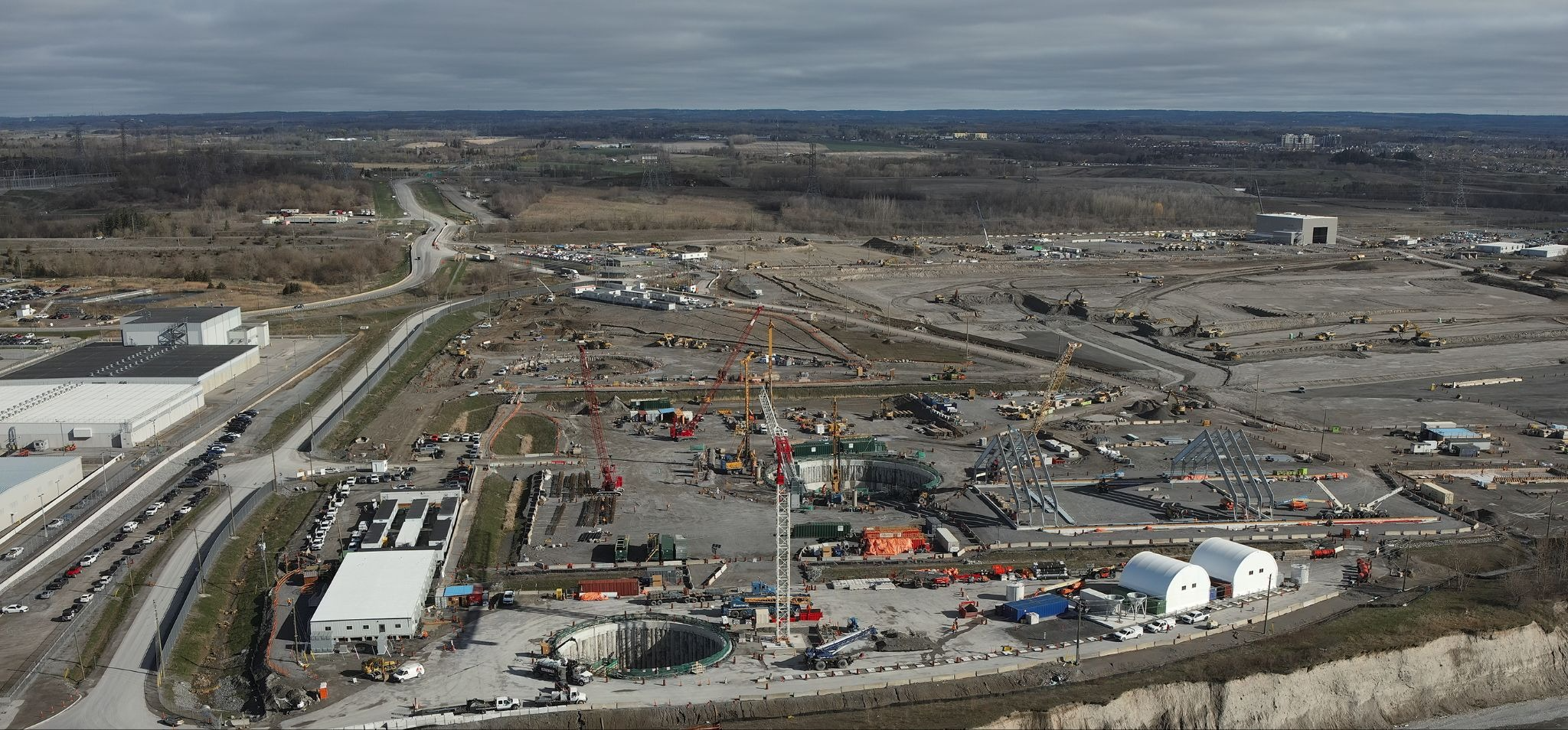 Darlington SMR Project. Source: OPG
A useful example: the nuclear fuel cycle.
The nuclear fuel cycle provides a useful example of this broader challenge.
Public discussions about nuclear energy tend to focus on reactors because they are the most visible part of the industry. Less attention is paid to the infrastructure that supports them. Yet every reactor depends on a network of upstream and downstream capabilities that must function effectively if the broader system is to succeed.
Much of North America’s fuel infrastructure was developed during an earlier era of nuclear expansion. Many of the facilities that continue to support the industry today were designed and built decades ago and remain essential to the fuel cycle. Existing conversion, enrichment, and fuel fabrication capabilities continue to underpin today’s operating fleet.
At the same time, many of these assets were developed for an industry structure that looks quite different from the one envisioned by many advanced nuclear deployment strategies.
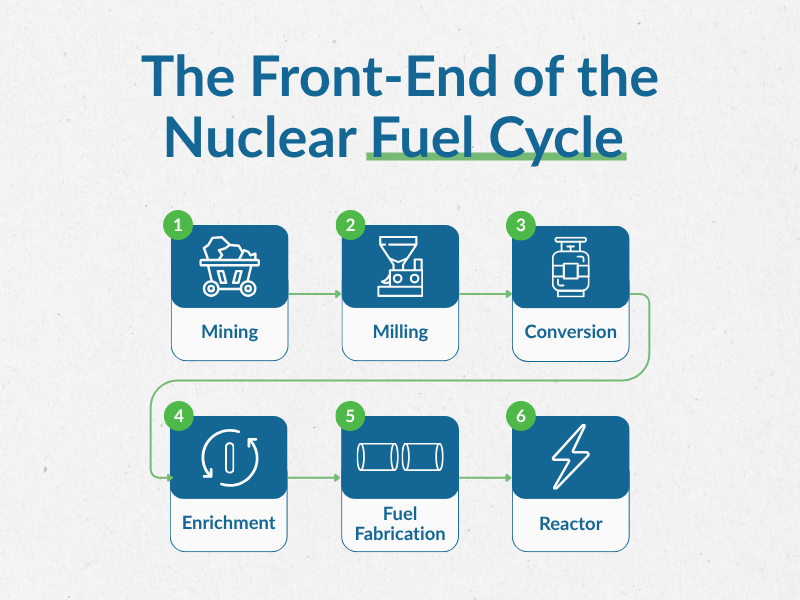
Infrastructure built for one era of nuclear deployment isn’t sufficient for the next.
This observation should not be interpreted as criticism of existing facilities. Rather, it reflects the reality that future deployment ambitions may place different demands on the fuel cycle than those that existed when much of today’s infrastructure was originally developed.
As governments, utilities, and developers evaluate future growth, attention is increasingly turning toward resilience, capacity, and long-term evolution. The same pattern can be observed elsewhere in the industry. Workforce development, manufacturing capacity, project delivery capability, and regulatory readiness are all receiving renewed attention for similar reasons.
In each case, the underlying issue is the same. The technology may enable deployment, but the surrounding ecosystem determines how quickly it can occur.
Technology will remain important. Innovation will remain important. Neither exists in isolation.
Technology enables deployment. Deployment determines impact.
One of the things that has surprised me over the last several years is how often discussions about advanced nuclear return to reactor technology. The technologies are important, but the further projects move toward reality, the more attention shifts to the practical challenges surrounding them. Workforce, supply chains, licensing, community engagement and acceptance, project execution, and supporting infrastructure are rarely the most exciting parts of the conversation, but they increasingly appear to be the factors that determine how quickly projects move forward.
That is why I believe the next phase of growth in the nuclear industry will be shaped as much by the strength of its supporting ecosystem as by the technologies themselves. Innovation remains essential, but the industry’s long-term impact will ultimately depend on its ability to turn promising technologies into operating facilities.
The technologies are advancing rapidly. The question facing the industry is whether our ability to deploy them can keep pace.
If you’d like to stay informed on how the nuclear energy ecosystem is evolving across North America, follow Nucleon Energy on LinkedIn.